'/%3e%3c/g%3e%3cg%20id='eu-c'%3e%3cuse%20xlink:href='%23eu-b'%20transform='rotate(72)'/%3e%3cuse%20xlink:href='%23eu-b'%20transform='rotate(144)'/%3e%3c/g%3e%3cuse%20xlink:href='%23eu-c'%20transform='scale(-1%201)'/%3e%3c/g%3e%3c/defs%3e%3cpath%20fill='%23039'%20d='M0%200h640v480H0z'/%3e%3cg%20fill='%23fc0'%20transform='translate(320%20242.3)scale(23.7037)'%3e%3cuse%20xlink:href='%23eu-d'%20width='100%25'%20height='100%25'%20y='-6'/%3e%3cuse%20xlink:href='%23eu-d'%20width='100%25'%20height='100%25'%20y='6'/%3e%3cg%20id='eu-e'%3e%3cuse%20xlink:href='%23eu-d'%20width='100%25'%20height='100%25'%20x='-6'/%3e%3cuse%20xlink:href='%23eu-d'%20width='100%25'%20height='100%25'%20transform='rotate(-144%20-2.3%20-2.1)'/%3e%3cuse%20xlink:href='%23eu-d'%20width='100%25'%20height='100%25'%20transform='rotate(144%20-2.1%20-2.3)'/%3e%3cuse%20xlink:href='%23eu-d'%20width='100%25'%20height='100%25'%20transform='rotate(72%20-4.7%20-2)'/%3e%3cuse%20xlink:href='%23eu-d'%20width='100%25'%20height='100%25'%20transform='rotate(72%20-5%20.5)'/%3e%3c/g%3e%3cuse%20xlink:href='%23eu-e'%20width='100%25'%20height='100%25'%20transform='scale(-1%201)'/%3e%3c/g%3e%3c/svg%3e)
 Developed & manufactured in Slovakia, EU
 The independent European alternative to DJI AeroScope®
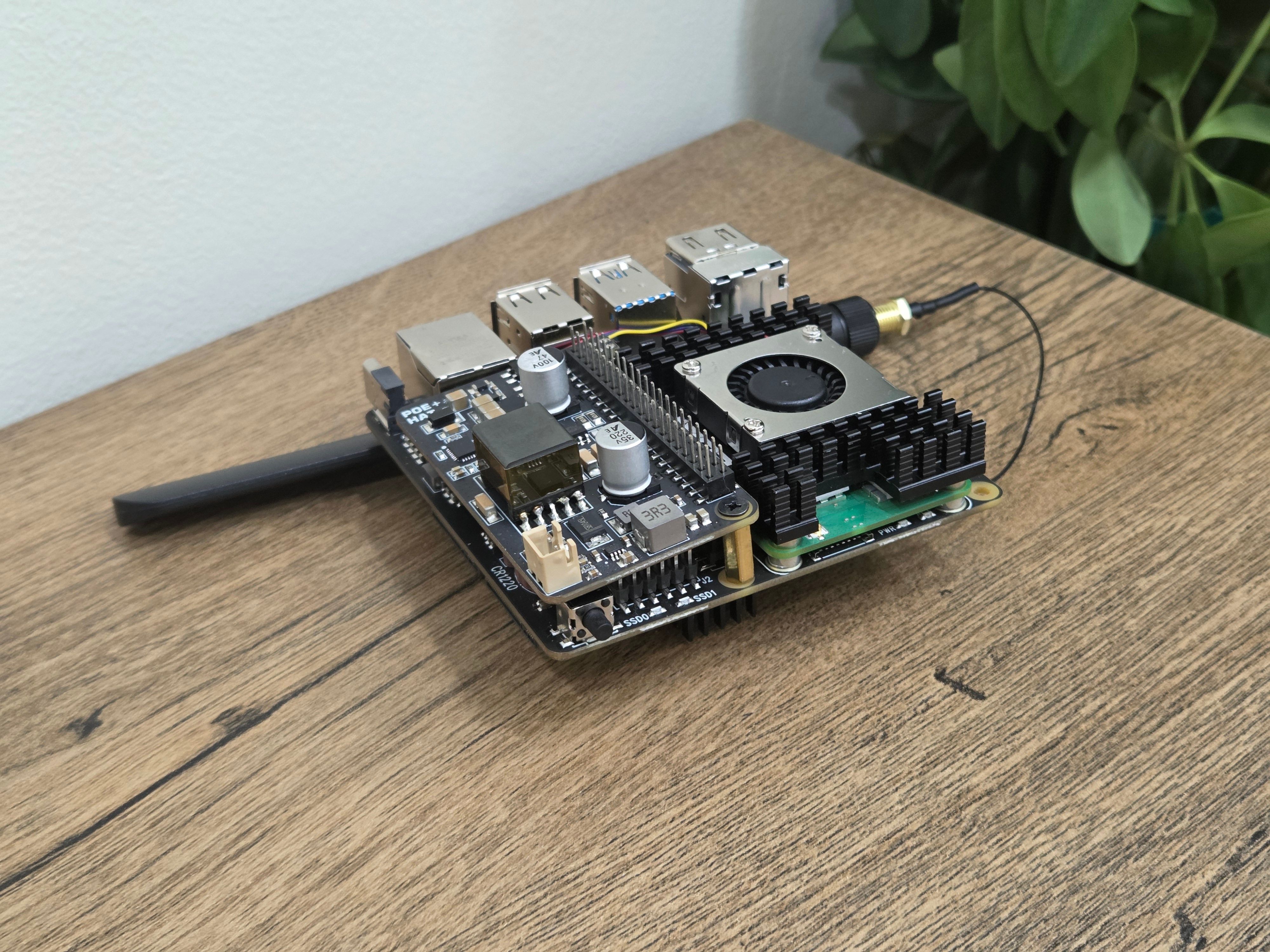
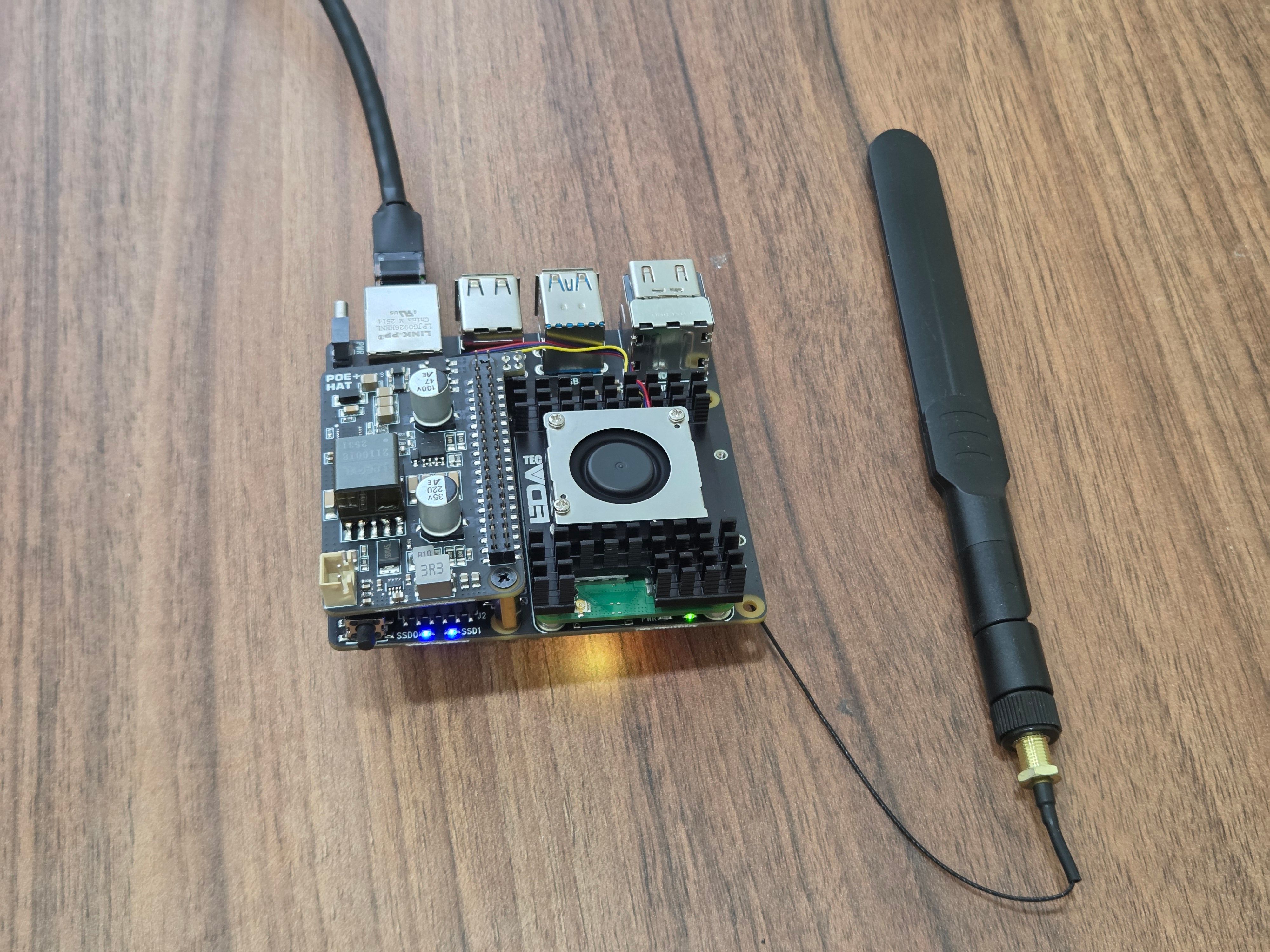
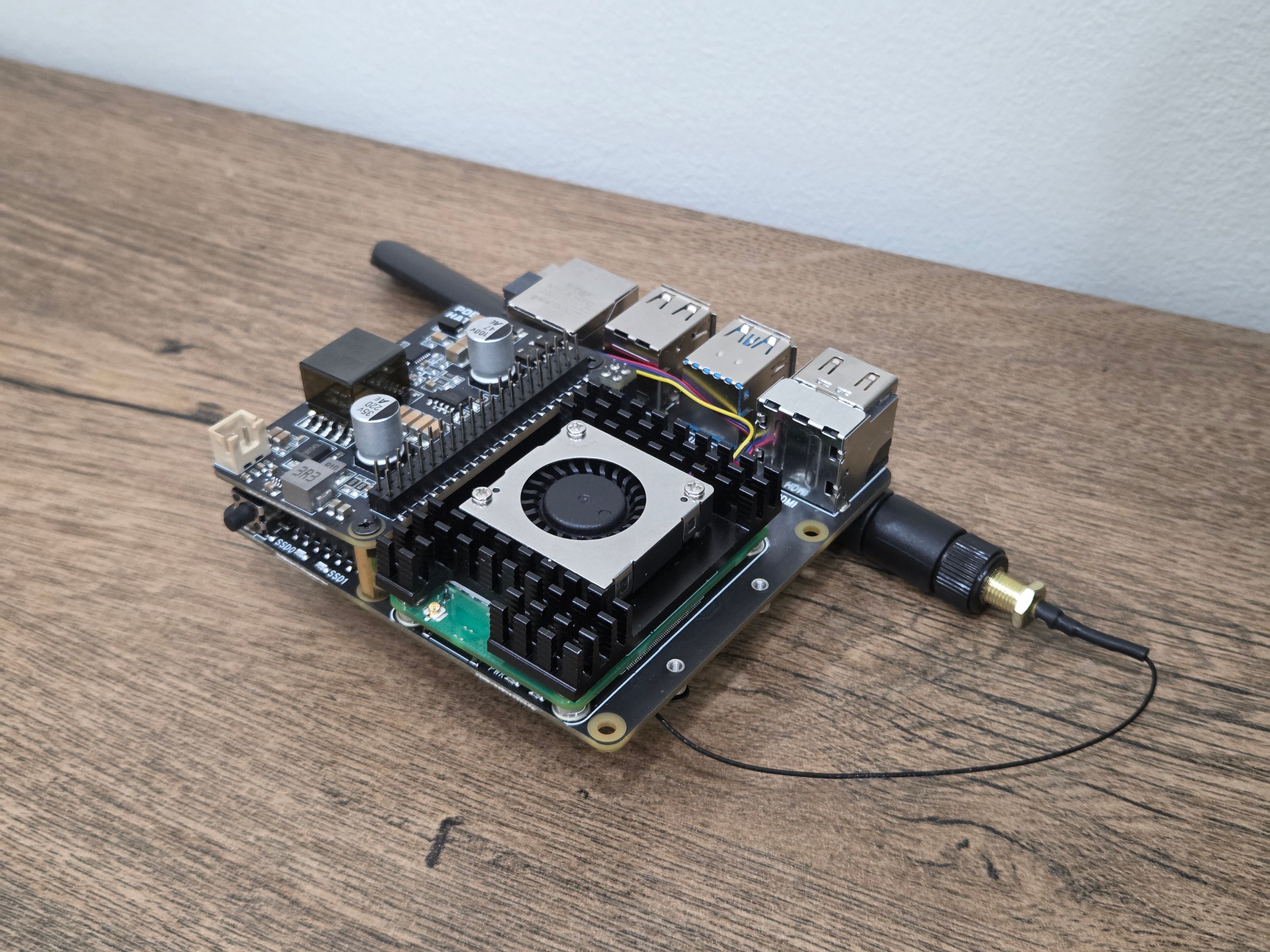
A passive drone detector, developed and manufactured in Slovakia, EU: it receives Remote ID and DroneID up to OcuSync 4+ and shows you where every drone is — and where its pilot is located. No forced updates — you control what gets deployed and when. No recurring subscriptions. Optionally fully air-gapped.
The 250-gram blind spot
AeroScope is discontinued and unsupported. Drone incidents at airports, prisons and stadiums keep climbing.
The official answer is Remote ID — but in the EU, drones under 250 g don't have to broadcast it, and DJI's entire sub-250 g lineup doesn't: Mini, Neo, Flip, Lito. To a Remote ID receiver, the most popular drones in the sky don't exist.
What they do broadcast is DJI DroneID. The DroneWard detector reads both — open Remote ID and DJI DroneID — and puts every drone, including the "invisible" ones, on your map with the pilot's position.
Detect. Locate. Act.
Detect
The sensor passively receives every Remote ID and DJI DroneID broadcast in range — encrypted included, up to OcuSync 4+. It transmits nothing, so it's silent, legal to operate, and invisible to the drone's operator.
Locate
Every detection appears live on your dashboard: aircraft type, position, flight path, home point — and the pilot's location.
Act
Alerts fire the moment anything enters your airspace, so your team moves on live coordinates — to the drone, or straight to the person flying it. Every track is logged as evidence.
Can't process the detection? It's not lost. The detector stores raw detection data on the device. If a drone broadcasts something the software can't parse yet, the packets are saved — and when a software update adds support, the device re-interprets the stored records. A drone it couldn't identify last month gets identified retroactively — on the update you chose to install, when you chose to install it. Raw records are kept as long as storage allows, typically a few months.
Built for the sites that can't have surprises overhead
Airports & heliports
Monitor approach paths and the airport perimeter for unauthorized drones, including sub-250 g models that don't broadcast Remote ID.
Energy & utilities
24/7 stationary monitoring of power plants, substations and pipelines. Suitable for nuclear sites.
Stadiums & public events
Portable unit for temporary deployments. Monitor the airspace over the venue and locate pilots in real time.
Critical infrastructure
Detect every drone over your site and locate its operator, around the clock. Stationary sensors cover the perimeter, run on your hardware, and can operate air-gapped.
Technical parameters
What the unit receives, how far it reaches, and where the data ends up. The PDF adds measurement conditions, interface specs and the compliance annexes.
- Protocols
- Remote ID (ASD-STAN / ASTM F3411) · DJI DroneID incl. encrypted, up to OcuSync 4+
- Detection range
- Up to 10 km, in the city 5 km, terrain dependent
- Emissions
- None — fully passive receiver
- Data handling
- All processing on-device · optional air-gapped decryption module
- External Integrations
- MQTT · WebHook · WebSockets · raw packet forwarding
- Deployment
- Stationary (PoE+) or portable unit (power via USB-C)
- Dashboard
- Served by the device — browser, or Viewer app (Win / Mac / iOS / Android). No subscriptions, no limitations.
Roadmap
Verified Outside with Omni Directional Antenna
We have successfully verified that our detector works with an omnidirectional antenna, achieving a range of 3.5 km in the city.
Read moreFrequently asked questions
Yes. The detector only listens. It never transmits, doesn't jam anything, and doesn't interfere with the drone in any way — legally it's a radio receiver, same category as ADS-B or RemoteID receiver. Rules on what you may do with recorded data differ between countries.
AeroScope was made by DJI and detected only DJI drones. It was discontinued in 2023 and existing units no longer get updates or service support. Our detector is developed independently in Slovakia, reads DJI DroneID including the encrypted version up to OcuSync 4+, plus standard Remote ID from any manufacturer — and everything runs on the detector itself: hardware we build, you own. And it's actively developed.
We can't see them — nobody can detect a signal that doesn't exist. The good news is that most drones people actually fly are DJI or other consumer models, and those broadcast DroneID or Remote ID. That's what we cover today. FPV and custom-built drones usually don't broadcast any ID, but most of them still transmit something — typically their video feed. Once our product is established, adding FPV detection is next on our list. And if you need to cover truly silent drones today, that's radar or optical territory; our detector plugs into those systems - check External Integrations in Technical Parameters section.
It stays on the device. Detections, flight paths, pilot positions, logs — everything is stored and processed locally, and you view it through the dashboard the detector itself serves.
The one exception in the standard setup is DroneID (from OcuSync 4 and higher): to decrypt it, the device sends a single packet — the encrypted key frame — to our server and gets the key back. No detection data, no telemetry, just that one frame.
If even that isn't acceptable for your site, order the detector with the optional on-device decryption module: then everything is decrypted locally, no key is ever sent, and the device is fully offline.
You won't lose it. The device records all raw detection data, so if a drone shows up broadcasting something our software can't parse yet, the packets are saved. When you install a software update — updates are never pushed automatically, you deploy them on your terms — the device re-interprets the stored records: a drone it couldn't identify last month gets identified retroactively. One limitation: storage isn't infinite. The device keeps raw records for a few months at most, depending on capacity and how busy your airspace is — older records get overwritten first.
Nothing, really. The detector runs its own web server — plug it in, open it by IP address in your browser, and you're looking at the dashboard. If you don't want to deal with IP addresses, our Viewer app for Windows, Mac, iOS and Android finds the device on your network and connects to it. Entering the IP manually always works too.
Not yet. We're preparing the first production run. You can reserve a unit now — book a demo (physical or remote), and we'll contact you the moment yours is ready.
Yes. The detector pushes detections over MQTT, WebHook or WebSockets, and it can forward the raw received packets untouched if you want to process them yourself. If you're a system integrator, we're ready to work with you — get in touch.
Talk to us. Then see it in action.
Book a short call — you'll talk directly with our CEO or CTO, not a sales team. We'll go through your situation, answer the technical questions, and agree on the next step.
If you're in Slovakia, Czechia, Poland, Hungary or Austria, that usually means we come to you and demonstrate the detector on your site, with a real drone in the air. Anywhere else, we'll figure out the best way together.
If it fits both of us, we'll put you on the list for the first units.
Prefer email? Write to us at [email protected]